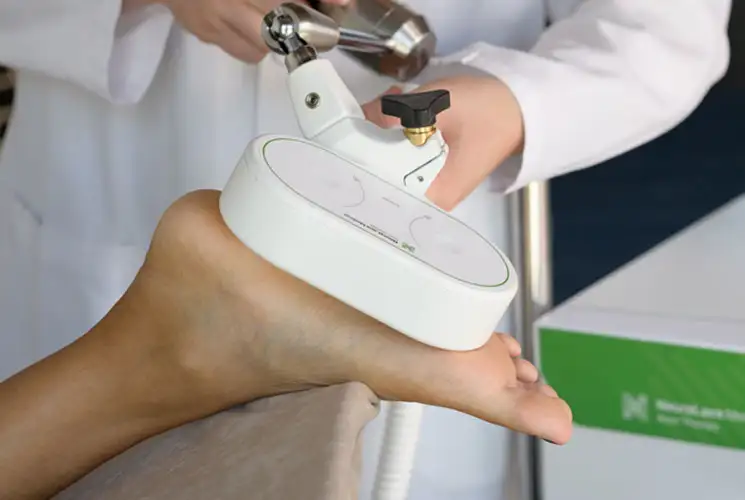
Stroke Support
A stroke can change life suddenly, but recovery is possible with the right guidance. Our team provides tailored rehabilitation and support to help regain function, improve mobility, and restore confidence in daily life.

Recovery and Support After a Stroke
Understanding Your Recovery Needs
We take the time to carefully evaluate your condition and the effects of your stroke. This helps us provide a clear understanding of what challenges to expect and how best to support your recovery journey.
Care That’s Personalized for You
From rehabilitation therapies to lifestyle guidance, your recovery plan is designed around your unique needs and goals. We focus on strategies that help you regain independence and improve overall well-being.

Regaining Confidence and Independence
Our goal is to help you restore function, improve mobility, and rebuild confidence in daily life. We provide guidance and support so you can take meaningful steps toward recovery every day.
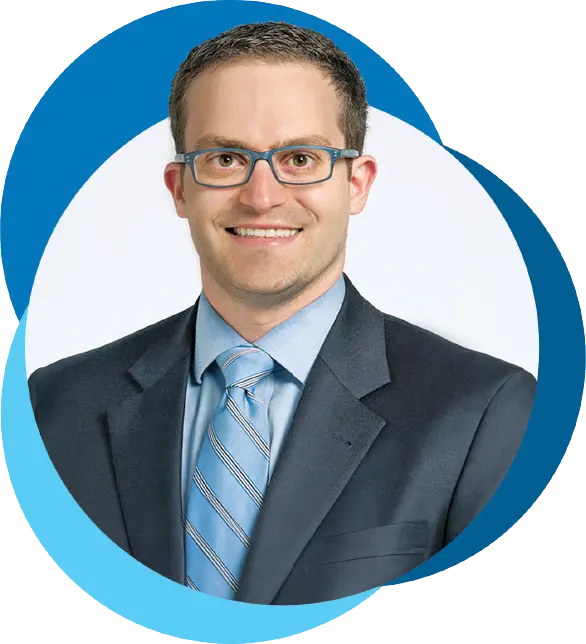
Luay Shayya, MD
Neurology Consultants of Arizona
Neurology & Concussion Specialist
located in Scottsdale, AZ
Stroke Support
Focused Rehabilitation to Restore Strength and Independence
Even though stroke is the fifth-leading cause of death in America, many patients don’t realize that up to 80% of all strokes can be prevented by eliminating their risk factors. Luay Shayya, MD, at Neurology Consultants of Arizona in Scottsdale, Arizona, performs a stroke risk assessment, develops a plan to prevent a stroke, and provides comprehensive medical care after a stroke occurs. To benefit from Dr. Shayya’s expertise in stroke treatment, call the office or schedule an appointment.
Stroke F.A.Q.s
What causes a stroke?
You suffer a stroke when the blood supply to your brain is blocked. Without blood, your brain doesn’t receive oxygen, which leads to the death of brain cells. You can minimize brain damage and improve your chance for recovery if you get treatment within four hours of a stroke.
Understanding the Common Causes and Risk Factors That Can Lead to a Stroke
Blockages in blood vessels (ischemic stroke) that reduce blood flow to the brain
Bleeding in or around the brain (hemorrhagic stroke) from weakened or burst vessels
Temporary disruptions in blood flow (transient ischemic attack or “mini-stroke”)
Risk factors such as high blood pressure, diabetes, heart disease, smoking, and high cholesterol
Knowing the causes of stroke can help guide prevention, early recognition, and prompt treatment to protect brain health.
What symptoms develop due to a stroke?
The FAST acronym was developed to help you remember the key symptoms of a stroke. It also serves as a reminder to act quickly to get life-saving emergency treatment.
Face
One side of your face may droop, or one side of your mouth may turn down, which is especially noticeable if you try to smile.
Arm
Many patients develop weakness in one arm. If you raise both arms, you’ll be able to hold one up while the other arm moves downward.
Speech
Your speech may be slurred or you may have difficulty speaking.
Time
Getting rapid treatment is essential; call 911 immediately. A stroke may also cause:
- Confusion
- Severe headache
- Vomiting
- Dizziness
- Blurry or double vision
- Difficulty walking or loss of balance
These symptoms will appear suddenly if they’re due to a stroke.
What are the different types of strokes?
There are two primary types of strokes. An ischemic stroke, the most common type, occurs when an artery is blocked by a blood clot or atherosclerotic plaque. Hemorrhagic strokes occur when a blood vessel ruptures, often due to high blood pressure.
You may also suffer a transient ischemic attack. This is a mini-stroke that lasts only a few minutes and doesn’t cause brain damage. However, a transient ischemic attack is a warning sign that you’re at risk of having a full-blown stroke.
How are strokes treated?
To learn your risk for a stroke or to receive ongoing post-stroke care, call Neurology Consultants of Arizona (480) 977-6844 or schedule an appointment
Personalized Treatment Approaches to Support Stroke Recovery and Rehabilitation
Ischemic strokes are treated by restoring blood flow to your brain. You may need medication to dissolve a blood clot or a procedure to remove the plaque.
If you have a hemorrhagic stroke, your treatment is designed to stop the bleeding and reduce pressure in your brain. Your doctor may prescribe medication or perform a surgical procedure.
Dr. Shayya offers preventive care for his patients, determining their risk for a stroke and creating a treatment plan to lower their chances of having a stroke in the future. He also provides comprehensive post-stroke care, managing your ongoing health, prescribing medications, and supporting your rehabilitation
Ready to Take the Next Step Toward Relief?
Request an Appointment
Fill out the short form below, and a member of our team will contact you to confirm the details and finalize your visit.