
Sleep Apnea
Sleep apnea doesn’t have to control your nights or your days. Our team combines expertise and understanding, offering personalized strategies and treatments to improve sleep quality, reduce nighttime disruptions, and support overall health and daily energy.

Breathe Easier, Sleep Better, Live Healthier
Understanding Your Sleep Apnea
We take the time to carefully assess your symptoms, sleep patterns, and overall health. This helps us provide a clear explanation of your condition so you can understand the causes and risks of sleep apnea.
Care That Fits Your Life
From personalized therapy plans and breathing devices to lifestyle guidance, your treatment is designed around your needs and daily routine. We focus on solutions that are effective, practical, and easy to follow.

Restful Nights, Energized Days
Our goal is to improve your sleep quality, reduce nighttime disruptions, and help you feel more alert and energized during the day. We support you in reclaiming restful nights and healthier, more active days.
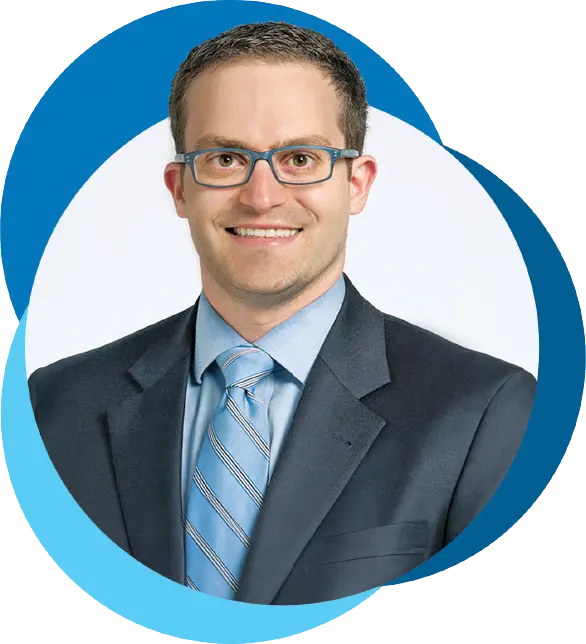
Luay Shayya, MD
Neurology Consultants of Arizona
Neurology & Concussion Specialist
located in Scottsdale, AZ
Sleep Apnea Treatment
Effective Solutions for Better Breathing and Restful Sleep
Obstructive sleep apnea affects about 9.5% of children and 9-24% of adults, and those numbers don’t include adults affected by central sleep apnea. Luay Shayya, MD, at Neurology Consultants of Arizona in Scottsdale, Arizona, offers home sleep studies, interprets the results of testing done in a sleep lab, and provides comprehensive treatment for all types of sleep apnea. If you suspect you stop breathing while you sleep, call the office or schedule an appointment online.
Sleep Apnea F.A.Q.s
What sleep apnea?
There are two types of sleep apnea. In both types, you stop repeatedly breathing while you sleep. However, they have different causes.
Obstructive sleep apnea (OSA)
OSA occurs when soft tissues in your mouth and throat relax and fall back or over the airway at the back of your throat. The problem most often occurs when your tongue falls backward, but the airway can also become blocked due to enlarged tonsils and adenoids, and excessive fat tissue around your throat.
Central sleep apnea
Central sleep apnea, which is less common than OSA, develops when your brain doesn’t send the right signals to the muscles that control your breathing. This type of sleep apnea is often caused by an underlying problem like heart failure or a stroke. Opioid medications and being at a very high altitude can also trigger central sleep apnea.
What symptoms develop due to sleep apnea?
If you experience any of these symptoms, it’s important to schedule an evaluation because untreated sleep apnea leads to complications like high blood pressure and heart arrhythmias.
Symptoms of obstructive sleep apnea:
- Loud snoring is the top symptom of OSA
- Daytime fatigue
- Morning headache
- Difficulty with memory or concentration
- Frequently going to the bathroom at night
Symptoms of central sleep apnea:
- Waking with shortness of breath
- Shortness of breath that improves when you sit up
- Difficulty falling asleep
- Excessive daytime sleepiness
- Chest pain at night
- Difficulty concentrating
- Mood changes
Patients with central sleep apnea may also snore, but it’s not a predominant symptom.
How is sleep apnea diagnosed?
The only way to diagnose sleep apnea is with a sleep study. Dr. Shayya offers home sleep studies for patients who may have OSA. During a home sleep study, you wear sensors that record your oxygen levels, breathing, and air flow while you sleep.
If Dr. Shayya suspects central apnea, however, he may recommend that you go to a specialized sleep lab, where more detailed information is collected. Airflow isn’t usually blocked in central apnea, so it’s important to go to the sleep lab so they can monitor your heart rate and rhythm, brain waves, muscle movements, and sleep stages.
How is sleep apnea treated?
If you suspect you have sleep apnea, call Neurology Consultants of Arizona
(480) 977-6844 or schedule an appointment
Both types of sleep apnea are treated with continuous positive airway pressure (CPAP). While CPAP is the gold standard of treatment for OSA, it’s just one of several possible treatments for central sleep apnea.
When you have central sleep apnea, the underlying condition is treated. Additionally, your apnea episodes may be treated with CPAP, adaptive servo-ventilation, bilevel positive airway pressure, supplemental oxygen, or medications that stimulate breathing while you sleep.
Ready to Take the Next Step Toward Relief?
Request an Appointment
Fill out the short form below, and a member of our team will contact you to confirm the details and finalize your visit.